
Protect Your Acrylic Surfaces: Essential Tips and Tricks
2025-06-11


Protecting Your Acrylic: Why It Matters
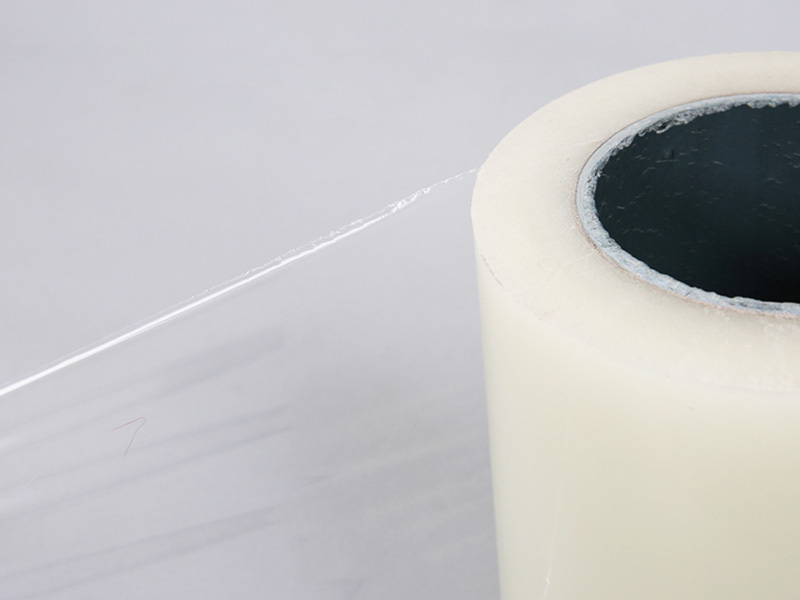
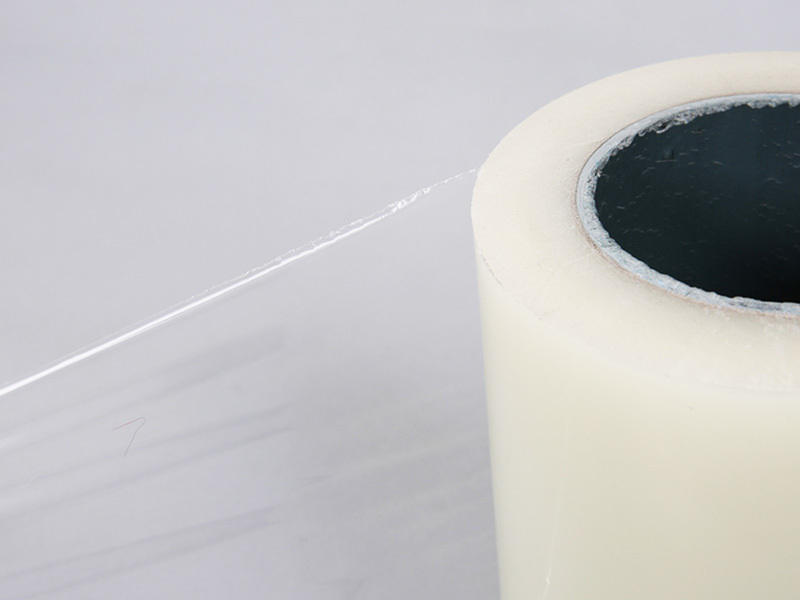
Hey there! If you've ever worked with acrylic surfaces, you know how beautiful and versatile they can be. But let’s face it, they can also be pretty delicate. That's where Acrylic surface protective paper comes into play! This handy material not only shields your acrylic from scratches and dust but also helps maintain its glossy finish. But before you dive in, let's chat about a few key注意事项 (precautions) to keep in mind.
1. Choosing the Right Type
First things first, not all protective papers are created equal. You’ll find various types tailored for different uses. For instance, some are specifically designed for high-gloss acrylics, while others cater to matte finishes. So, do your homework! Picking the wrong type could lead to more harm than good.
2. Cleanliness is Key
Alright, let’s talk about cleanliness. Before applying your Acrylic surface protective paper, ensure your acrylic surface is squeaky clean. Dust, dirt, or any grease can prevent the protective paper from adhering properly. Use a mild cleaner and a soft cloth—no need to go all Hulk on it!
3. Temperature Matters
Did you know that temperature can affect how well your protective paper sticks? Yep! Ideally, you want to apply it in a moderate environment. Too cold or too warm, and you might end up with air bubbles or a less-than-perfect seal. So, check the weather before you start; Mother Nature can be a tricky one!
4. Application Techniques
When you’re ready to apply your Acrylic surface protective paper, take it slow and steady. Start at one edge and press down as you go. Use a plastic squeegee or a credit card to smooth out any bubbles. If you notice a stubborn bubble, poke a tiny hole with a pin and gently push the air out. Voila!
5. Time to Remove
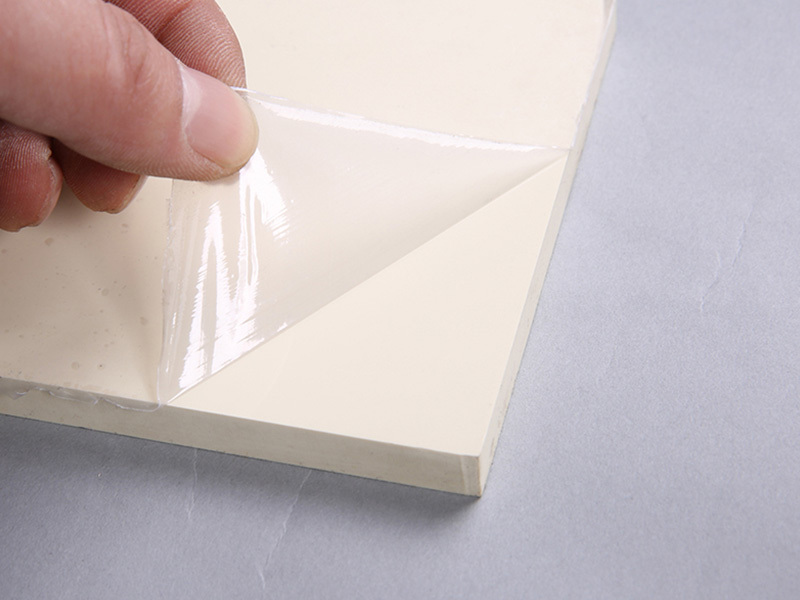
Once your project is complete, it’s equally important to know how to remove the protective paper properly. Don’t just rip it off! Take your time and peel it back at a 45-degree angle to avoid damaging your acrylic surface. Patience is a virtue, folks!
6. Storage Tips
Now, if you have any leftover Acrylic surface protective paper, store it properly. Keep it in a cool, dry place, away from direct sunlight. Sunlight can cause it to lose its adhesive properties, rendering it useless when you need it next.
7. Know When to Replace
Finally, keep an eye on the condition of your protective paper as it ages. If it starts to peel or lose adhesion, it’s time for a change. A little proactive maintenance can save you from a big headache down the line!
In Conclusion
So there you have it! With these注意事项 (precautions) in mind, you’ll be well on your way to keeping your acrylic surfaces looking brand new for ages. Remember, a little care goes a long way, and using Acrylic surface protective paper is one of the best investments you can make for your acrylic projects. Happy crafting!
TAG:
Related Posts
Enterprises focus on employee training
MESSAGES
If you have any questions about our products and services, please contact us!
 Phone
 E-mail
 WhatsApp