
Protecting Plastic: The Marvel of PE Protective Film
2025-07-03


Introduction to PE Protective Film
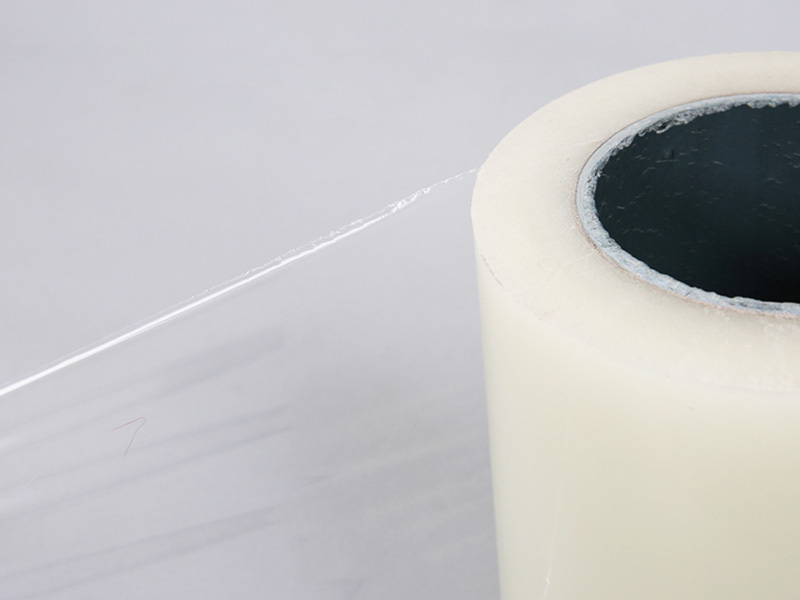
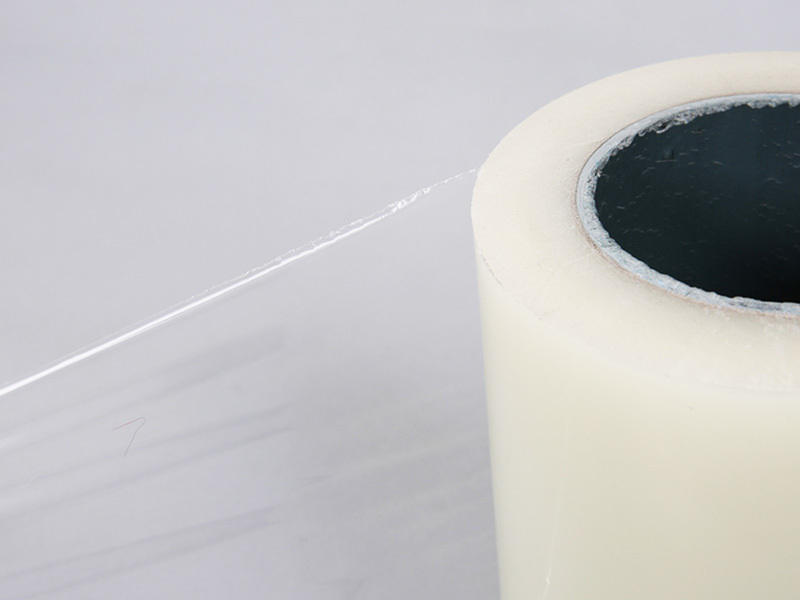
Have you ever wondered how to keep your plastic surfaces safe from scratches, dust, and other nuisances? Well, look no further! The magic solution is PE protective film for plastic surfaces. This handy product is a go-to for various industries, and for good reason!
What is PE Protective Film?
PE, or polyethylene, protective film is a thin layer of material designed to shield plastic surfaces. You might be asking, "Why should I care?" Here’s the scoop: this film serves as a barrier against dirt, abrasions, and even UV rays. It’s particularly useful during manufacturing, shipping, and installation processes!
Why Use PE Protective Film?
Let’s break it down. First off, it’s cost-effective. Instead of replacing damaged plastic parts, just peel off the film and voilà—good as new! It’s also super easy to apply and remove, making it a favored choice in various sectors.
Applications Galore!
From automotive to electronics, the applications of PE protective film for plastic surfaces are endless. You’ll find it on:
- Automobile parts
- Electronics packaging
- Furniture surfaces
- Glass and metal surfaces
Each of these industries benefits immensely from the protective qualities of PE film. It’s like having an invisible shield that keeps your products looking pristine!
Environmental Considerations
Now, let’s talk about the environment—because we know it’s a hot topic. PE films are recyclable, which is a plus. However, ensure you’re disposing of them correctly to minimize your carbon footprint. It’s all about making informed choices!
Installing and Removing PE Protective Film
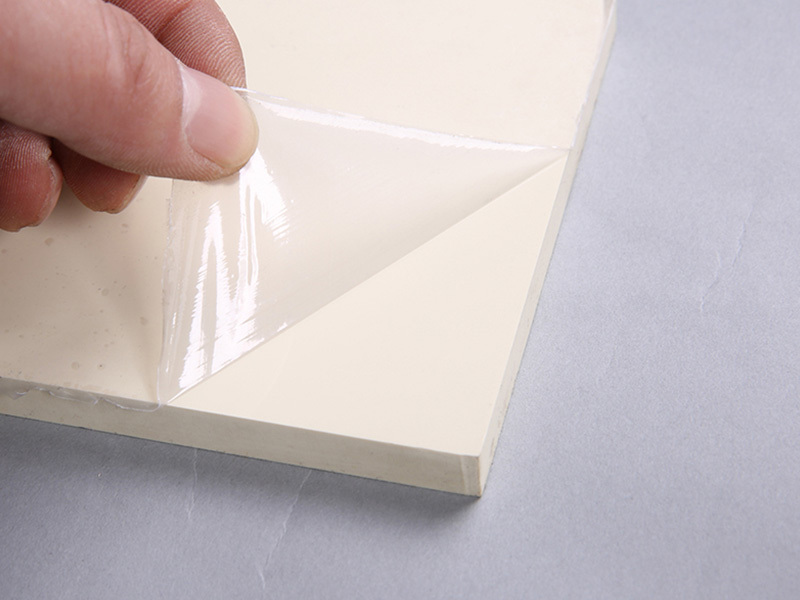
Installation? Piece of cake! Just clean the surface, peel off the backing, and stick it on. Make sure to avoid bubbles by smoothing it out as you go. And when it’s time to remove it? Just peel it off slowly, and you’re good to go.
Tips for Best Results
Want to get the most out of your PE protective film for plastic surfaces? Here are some nuggets of wisdom:
- Choose the right thickness for your needs.
- Store it in a cool, dry place to prevent degradation.
- Test a small area before full application to ensure compatibility.
Following these tips can extend the life of your film and maximize its protective properties.
The Future of Protective Films
As technology advances, so does the world of protective films. Innovations are on the horizon, promising even better materials and solutions. Who knows? In a few years, we might be looking at self-healing films or those that adapt to environmental conditions!
Conclusion
In a nutshell, PE protective film for plastic surfaces is an unsung hero in the world of manufacturing and preservation. It’s versatile, cost-effective, and environmentally friendly. So, the next time you’re handling plastic surfaces, remember this nifty film—it’s your best friend!
TAG:
Related Posts
Enterprises focus on employee training
MESSAGES
If you have any questions about our products and services, please contact us!
 Phone
 E-mail
 WhatsApp