
The Essential Guide to Glass Transportation Protective Film
2025-07-18


Understanding Glass Transportation Protective Film
Have you ever wondered how fragile glass items make their way from the factory to your doorstep without a scratch? Well, let me tell you, it’s not just luck! The unsung hero of this journey is none other than the glass transportation protective film.
What is Glass Transportation Protective Film?
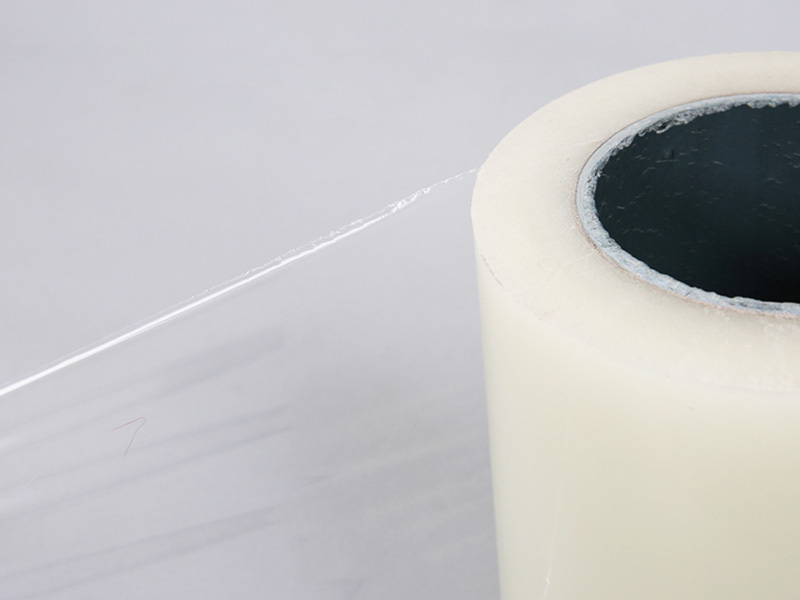
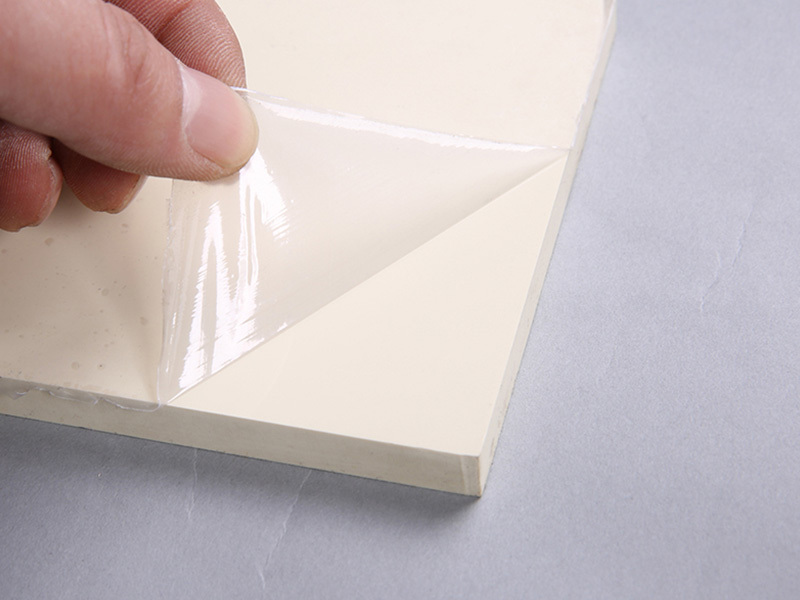
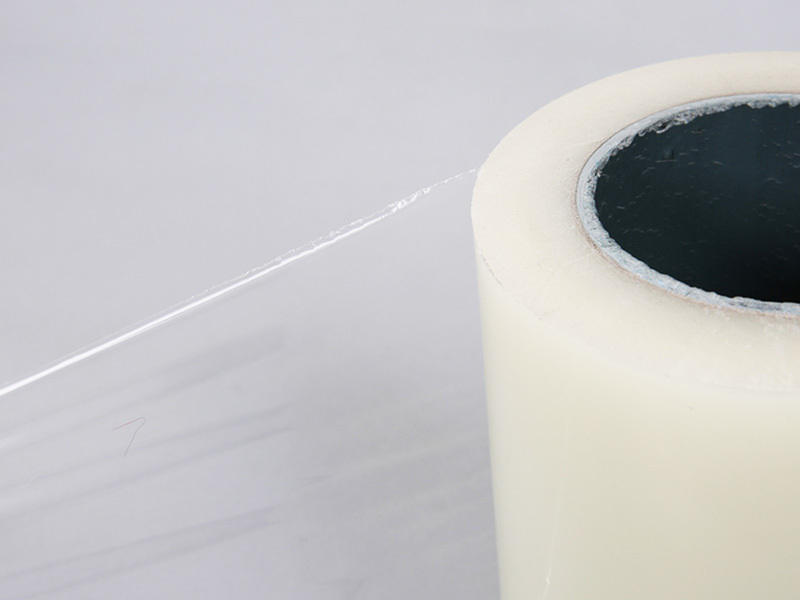
Alright, let’s break it down. Glass transportation protective film is a specialized material designed to shield glass surfaces from damage during transit. It’s like a superhero cape for your glass! This film is typically made from polyethylene or similar materials, providing a barrier against scratches, dust, and even moisture. It’s a must-have for anyone dealing with glass products.
Why Use It?
Imagine this: you’ve just ordered a stunning glass coffee table, and it arrives with a big ol’ scratch right across the surface. Yikes! That’s where the protective film comes in. It ensures that your precious items arrive in pristine condition. Here are a few reasons why it’s essential:
- Protection Against Scratches: The film acts as a barrier, preventing any sharp objects from marring the glass.
- Dust and Dirt Resistance: It keeps dust and dirt at bay, ensuring clean surfaces upon arrival.
- Moisture Barrier: Some films offer moisture resistance, which is crucial for shipping in humid conditions.
How to Apply the Film
Applying glass transportation protective film is straightforward. Here’s a step-by-step guide to get you started:
- Clean the Surface: Make sure the glass surface is clean and dry. Any dust or contaminants can lead to bubbles.
- Measure and Cut: Carefully measure the glass and cut the film to size, leaving a little extra for good measure.
- Peel and Stick: Peel off the backing and start applying from one edge, gradually smoothing it out to avoid air bubbles.
- Trim Edges: Once applied, trim any excess film for a neat finish.
Choosing the Right Film
Not all films are created equal. When selecting a glass transportation protective film, consider the following:
- Thickness: Thicker films generally offer better protection, but they can be harder to work with.
- Adhesive Type: Look for a film with a gentle adhesive that won’t leave residue on the glass.
- UV Resistance: If your glass will be exposed to sunlight, opt for UV-resistant films to prevent degradation.
The Bottom Line
In the world of glass transportation, the protective film is a game-changer. It not only safeguards your glass items during transit, but it also saves you time and money by reducing the likelihood of damage. So, the next time you’re shipping or receiving glass products, don’t forget to consider glass transportation protective film!
Final Thoughts
When it comes to protecting your investments, a little precaution goes a long way. So, whether you're a business owner or simply an avid glass collector, investing in quality protective film is a no-brainer. Happy shipping!
TAG:
Related Posts
Enterprises focus on employee training
MESSAGES
If you have any questions about our products and services, please contact us!
 Phone
 E-mail
 WhatsApp