
Unveiling the Magic: How Protective Films for Plastic Sheets Work
2025-05-25


The Unsung Heroes of Protection
Ever had a brand-new plastic sheet that you just couldn’t bear to get scratched? Well, you’re in luck! Protective films for plastic sheets are here to save the day. These nifty layers are like an armor for your surfaces, ensuring they remain pristine and unblemished.
What Are Protective Films?
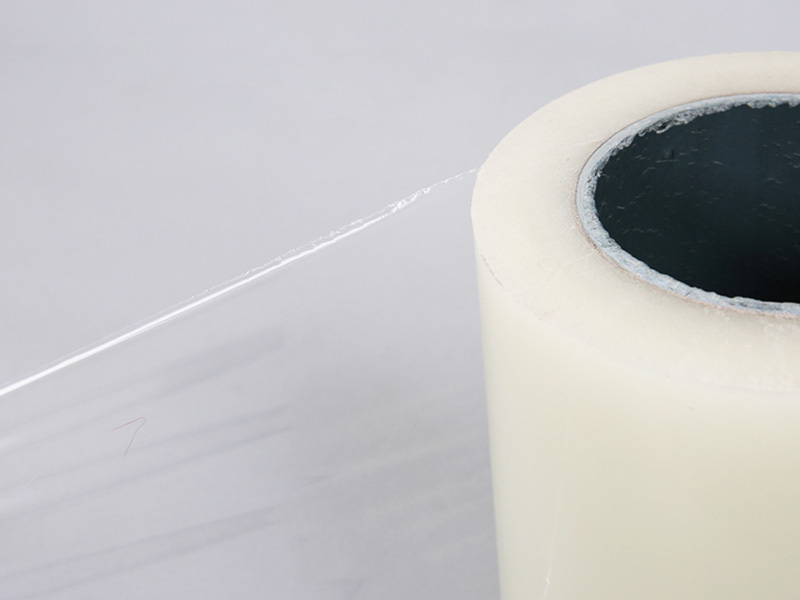
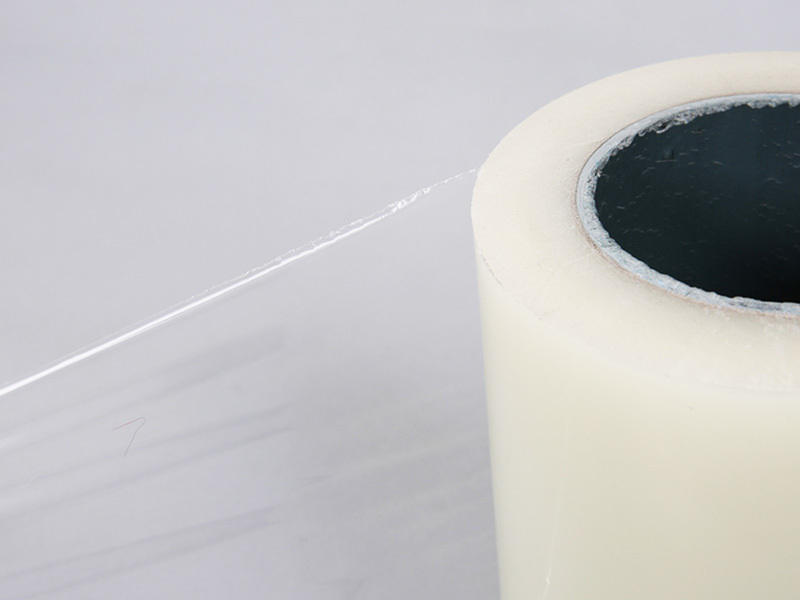
So, let’s dive into the nitty-gritty. Protective films for plastic sheets are thin layers of material typically made from polyethylene or polyvinyl chloride (PVC). They’re designed to shield plastic surfaces from dust, scratches, and even UV damage. This means your shiny new sheets can stay in tip-top shape for a longer time—who doesn’t want that?
How Do They Work?
Now, you might be wondering, “Okay, but how do these protective films actually work?” Well, here’s the scoop. Think of these films as a second skin for your plastic sheets. They adhere to the surface and create a barrier against environmental factors. It’s a simple concept, but boy, does it pack a punch!
Adhesion is Key
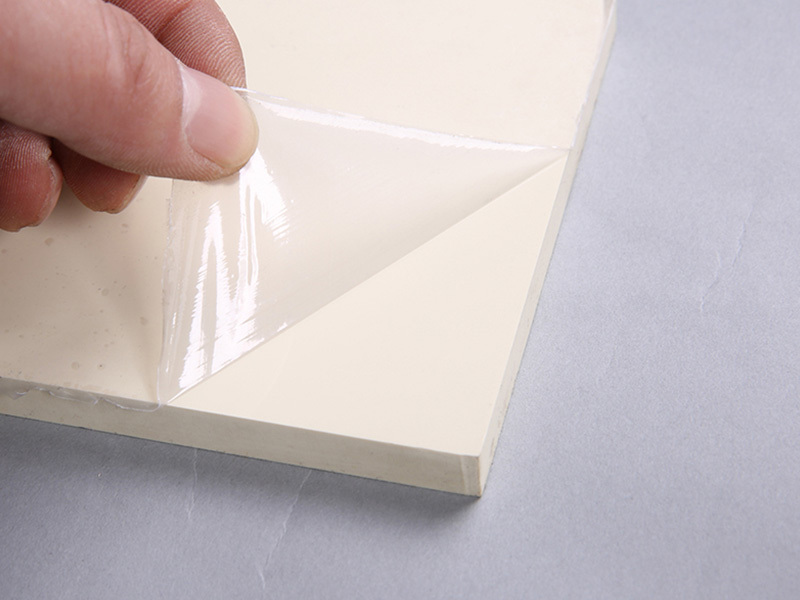
The magic lies in the adhesive technology used in these films. When you peel off the backing and stick it onto your plastic sheet, a strong bond forms. This adhesion is what keeps the film in place, allowing it to absorb impacts and resist scratches. It’s like having a bodyguard for your surfaces!
Versatile Applications
Protective films for plastic sheets aren’t just for fancy projects. They can be used in various applications—from construction sites to the automotive industry. You name it, and there’s likely a protective film designed for that specific need. Talk about versatility!
Choosing the Right Film
Alright, let’s get into the nitty-gritty of selecting the right protective film for your needs. It’s not a one-size-fits-all situation, my friend. Factors like thickness, adhesive strength, and UV resistance play a crucial role in your choice. Make sure to assess your requirements before making a purchase.
Thickness Matters
When it comes to protective films for plastic sheets, thickness can make a world of difference. Thicker films generally offer better protection against impacts, but they may also be a bit more challenging to apply. Weigh your options and choose wisely!
The Application Process
Now that you’ve got your hands on the right film, let’s talk about application. First things first, ensure that the surface of your plastic sheet is clean and dry. Then, simply peel off the protective backing and apply the film slowly, smoothing out any bubbles as you go. Voila! You’ve just given your plastic sheet a layer of protection.
Maintenance and Removal
So, you’ve applied your protective film; what’s next? Keeping it clean is key! Regularly wipe it down with a soft cloth to remove dust and dirt. And when it’s time for a change, peeling off the film should be a breeze. Just grab a corner and pull—easy peasy!
The Bottom Line
In a nutshell, protective films for plastic sheets are indispensable tools for anyone looking to maintain the integrity of their surfaces. They work like a charm, providing an effective barrier against damage. So, the next time you invest in plastic sheets, don’t forget to grab a roll of protective film. It’s a small step that makes a big difference!
Conclusion
There you have it! Whether you’re a DIY enthusiast or a professional in the field, understanding how protective films for plastic sheets work can save you time and money in the long run. So, go ahead and protect those valuable surfaces - they deserve it!
TAG:
Related Posts
Enterprises focus on employee training
MESSAGES
If you have any questions about our products and services, please contact us!
 Phone
 E-mail
 WhatsApp